
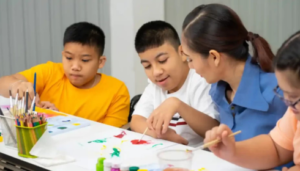
Autism social skills group programs are becoming an essential support system for children and adolescents who need structured, guided opportunities to develop communication and peer interaction skills. Autism social skills group programs provide a safe, structured environment where individuals can learn, practice, and strengthen real-world social behaviors with professional guidance and peer support.
For families seeking meaningful progress in communication, friendships, and emotional understanding, these programs offer more than therapy they offer connection, confidence, and long-term developmental growth. Providers like Trucogni Autism focus on evidence-based approaches that help children build practical skills they can use in school, home, and community settings.
In this article, we’ll explore how autism social skills group programs work, why they are effective, and what families should look for when choosing the right program.
What Are Autism Social Skills Group Programs?
Autism social skills group programs are structured therapeutic sessions designed to help individuals on the autism spectrum improve how they interact with others. Unlike one-on-one therapy, these programs emphasize group participation, allowing individuals to practice real-time communication with peers.
These programs typically focus on:
- Starting and maintaining conversations
- Understanding social cues (facial expressions, tone, body language)
- Turn-taking and sharing
- Building friendships and group participation
- Emotional regulation in social situations
By simulating real-world environments, autism social skills group programs help participants transfer learned skills into everyday life.
Why Autism Social Skills Group Programs Matter for Development
Social communication challenges are one of the core characteristics of autism spectrum disorder. Without structured support, many children struggle with forming friendships or navigating group settings like school.
Autism social skills group programs provide a controlled yet natural environment where learning happens through interaction. This group-based format is especially powerful because it:
- Encourages peer modeling and observation
- Builds confidence through repeated practice
- Reduces social anxiety over time
- Helps children understand different perspectives
Research in developmental psychology and behavioral therapy consistently shows that group-based interventions improve long-term social adaptability more effectively than isolated instruction alone.
Core Components of Effective Autism Social Skills Group Programs
High-quality autism social skills group programs follow structured, evidence-based frameworks. While each program may vary, the most effective ones usually include the following components:
1. Guided Group Interaction
Therapists facilitate structured group activities that encourage communication and teamwork.
2. Role-Playing Exercises
Participants practice real-life scenarios such as greeting others, resolving conflicts, or joining a group conversation.
3. Social Storytelling
Stories are used to explain appropriate social behavior and expected responses in different situations.
4. Peer Feedback and Reinforcement
Children receive supportive feedback that helps them adjust and improve their interactions.
5. Skill Generalization Activities
Sessions are designed to ensure skills learned in therapy are applied at school, home, and community environments.
These components ensure that autism social skills group programs are not just theoretical but practical and applicable.
Key Benefits of Autism Social Skills Group Programs
Families often notice meaningful improvements when children consistently participate in autism social skills group programs. Some of the most significant benefits include:
Improved Communication Skills
Children learn how to express their thoughts clearly and understand others more effectively.
Stronger Peer Relationships
Group interaction encourages friendship-building and reduces social isolation.
Increased Confidence
As children succeed in social settings, their self-esteem naturally grows.
Better Emotional Understanding
Participants learn to recognize and respond appropriately to emotions in themselves and others.
Enhanced School Readiness
Skills developed in group programs translate directly into classroom participation and collaboration.
These benefits contribute to long-term independence and improved quality of life.
How Autism Social Skills Group Programs Are Structured
Most autism social skills group programs are carefully designed to match developmental stages and individual needs.
Age-Based Grouping
Participants are typically grouped by age or developmental level to ensure appropriate interaction.
Weekly Sessions
Programs often run weekly, allowing consistent practice and reinforcement over time.
Small Group Sizes
Smaller groups ensure personalized attention while still maintaining social diversity.
Goal-Oriented Plans
Each participant usually has individualized goals such as improving eye contact, initiating conversations, or managing frustration in group settings.
This structured approach ensures steady and measurable progress.
Evidence-Based Approaches Used in Autism Social Skills Group Programs
Modern autism social skills group programs rely on scientifically supported methods to ensure effectiveness. Common approaches include:
Applied Behavior Analysis (ABA)
ABA techniques focus on reinforcing positive behaviors and reducing social communication barriers.
Naturalistic Developmental Behavioral Interventions (NDBI)
These strategies integrate learning into natural play and interaction settings.
Cognitive-Behavioral Strategies
Used to help older children and teens understand thoughts, emotions, and reactions in social situations.
Peer-Mediated Instruction
Peers are trained to support interaction, making social learning more natural and engaging.
Programs like those offered by Trucogni Autism often integrate multiple approaches to create a comprehensive learning experience.
How to Choose the Right Autism Social Skills Group Programs
Selecting the right program is essential for meaningful progress. Families should consider the following factors:
- Qualified and experienced therapists
- Evidence-based teaching methods
- Small and structured group sizes
- Clear progress tracking and reporting
- Individualized goal setting
- Safe and supportive environment
It is also important to observe how therapists engage with children and whether the program encourages active participation rather than passive learning.
Providers such as Trucogni Autism prioritize individualized care, ensuring each child’s developmental needs are met within a supportive group setting.
The Role of Parents and Caregivers in Social Skills Development
Parental involvement plays a crucial role in reinforcing the outcomes of autism social skills group programs. When caregivers actively participate, children are more likely to retain and apply their skills.
Parents can support progress by:
- Practicing social scenarios at home
- Encouraging playdates or structured peer interaction
- Reinforcing positive social behaviors
- Communicating regularly with therapists
- Celebrating small achievements
Consistency between therapy and home environments significantly improves long-term outcomes.
Why Early Intervention Matters
Starting autism social skills group programs early can lead to stronger developmental outcomes. Younger children are often more adaptable and responsive to structured learning environments.
Early intervention helps:
- Build foundational communication skills
- Reduce long-term social anxiety
- Improve academic readiness
- Strengthen emotional regulation
However, it’s never too late for teens, and even young adults can benefit from structured group-based social learning.
Building Confidence Through Connection
Autism social skills group programs play a vital role in helping individuals on the autism spectrum develop meaningful communication skills and build lasting relationships. Through structured activities, guided interaction, and evidence-based strategies, these programs provide a pathway toward greater independence and confidence.
For families seeking a supportive and professional environment, Trucogni Autism offers programs designed to meet each child’s unique needs while fostering real-world social growth.
With the right guidance and consistent participation, social skills can become not just learned behaviors but lifelong strengths.