
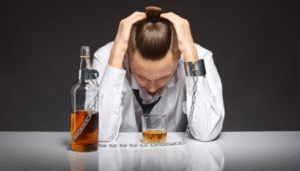
Alcoholism is more than just a habit — it’s a progressive disease that silently tightens its grip on millions around the world. Whether it begins as social drinking or a way to escape life’s stressors, what often starts casually can spiral into something far more dangerous. In this article, we’ll walk through what alcoholism really means, how it affects lives, what treatment looks like, and why alcohol detoxification is an important first step in reclaiming one’s life.
What Is Alcoholism?
Alcoholism, often referred to as alcohol use disorder (AUD), is a chronic condition where a person becomes physically and emotionally dependent on alcohol. This goes beyond the occasional drink or even binge drinking. We’re talking about a compulsive need to drink, despite the consequences.
You might have heard someone say, “I can quit anytime.” But for someone with alcohol addiction, it’s rarely that simple. It’s not about willpower; it’s about biology, psychology, and sometimes, genetics. The brain gets rewired to crave the drink, and soon, life starts revolving around the next sip.
Signs of Alcohol Abuse You Shouldn’t Ignore
Alcohol abuse is the precursor to full-blown alcoholism. It’s when drinking starts interfering with daily responsibilities — be it at work, home, or in relationships. Some common signs include:
-
Frequently drinking more than intended
-
Failed attempts to cut down or stop
-
Neglecting obligations due to hangovers or drinking
-
Drinking in risky situations (e.g., driving)
-
Continuing to drink despite knowing the harm it’s causing
Even if someone doesn’t drink daily, they could still have a problem. The real question is: Is alcohol starting to control parts of your life?
The Physical and Emotional Toll
It’s not just the liver that suffers. Long-term alcoholism damages the heart, brain, and digestive system. Mentally, it increases the risk of depression, anxiety, and even suicidal tendencies. Relationships get strained. Careers fall apart. The person drinking isn’t the only one paying the price — families often bear the emotional burden in silence.
This is why early intervention is crucial.
Alcohol Detoxification: The First Hurdle
The path to recovery almost always begins with detox. When someone dependent on alcohol stops drinking, their body reacts. This is alcohol detoxification — a process where the body clears out alcohol from its system. It sounds simple, but it can be intense.
Withdrawal symptoms can include:
-
Tremors
-
Sweating
-
Nausea
-
Irritability
-
Hallucinations
-
Seizures
Because of the risks, medical supervision is strongly advised during detox. Many rehab centers offer inpatient detox services with round-the-clock monitoring to ensure the process is safe and as comfortable as possible.
Alcoholism Treatment Options
Treatment isn’t one-size-fits-all. Some people do well with therapy and support groups. Others may need inpatient rehab or medication-assisted treatment (MAT). Here’s a breakdown:
-
Inpatient Rehab: 24/7 care in a structured environment. Ideal for severe cases.
-
Outpatient Programs: Flexible and good for mild to moderate addiction.
-
Cognitive Behavioral Therapy (CBT): Helps identify triggers and build coping strategies.
-
Support Groups: Groups like Alcoholics Anonymous (AA) provide ongoing peer support.
-
Medication: Drugs like naltrexone and acamprosate can reduce cravings and help maintain sobriety.
The goal is long-term recovery — not just stopping drinking, but staying stopped.
Life After Alcohol: It’s Possible
Recovery is more than quitting alcohol — it’s about rebuilding your life. People in recovery often rediscover passions, mend broken relationships, and regain their self-worth. It’s not always easy, but it’s always worth it.
And yes, relapse can happen. But it’s part of the journey, not the end. With the right support system, many bounce back stronger.
A Final Word
If you or someone you love is battling alcoholism, know this — you are not alone, and help is available. Whether it’s understanding alcohol addiction better or seeking the right treatment path, every step forward counts.